
Wedding attire is where cultural differences in dress become most visible and most significant. The contrast between Eastern and Western wedding garments is not merely a matter of color or style - it reflects fundamentally different beliefs about marriage, family, and the role of the individual in society. A Chinese wedding gown and a Western wedding dress tell very different stories about what a wedding means.
The Meaning of Color
The most striking difference between Eastern and Western wedding attire is color. In Chinese tradition, red is the color of weddings, symbolizing luck, prosperity, joy, and fertility. The bride's red gown is believed to ward off evil spirits and bring good fortune to the new couple. Gold embroidery adds wishes for wealth and abundance. In Western tradition, white symbolizes purity, innocence, and virginity. The white wedding dress tradition was popularized by Queen Victoria in 1840, when she wore a white lace gown for her wedding to Prince Albert.
Silhouette and Construction
Traditional Chinese wedding attire typically consists of a two-piece ensemble: an embroidered jacket and a long pleated skirt, known as qun kwa or longfeng gua. The jacket is fitted through the bodice and may have wide or narrow sleeves, while the skirt is full and floor-length. The Western wedding dress is typically a one-piece gown that can take many forms - ball gown, mermaid, A-line, sheath - but is almost always designed to create a dramatic, memorable silhouette.
The Groom's Attire
- Chinese groom: Red or dark blue changshan with a magua jacket, or a Zhongshan suit
- Western groom: Black tuxedo or suit, often with a white shirt and bow tie
- Chinese tradition: Groom's attire matches the bride's in formality and color scheme
- Western tradition: Groom's attire contrasts with the bride's white gown
- Chinese accessories: Red sash, silk shoes, and sometimes a hat matching the dynasty style
- Western accessories: Cummerbund, cufflinks, and formal shoes
A Chinese bride dresses for her family; a Western bride dresses for herself. This is not a judgment but an observation - the red gown speaks of community and continuity, the white dress speaks of individuality and romance. Both are beautiful expressions of love.

Ceremonial Garments and Rituals
Chinese wedding attire is closely tied to specific rituals. The bride typically wears her red gown for the tea ceremony, where she serves tea to her new in-laws as a sign of respect. She may change into additional outfits for the wedding banquet and evening events. Western brides also follow specific rituals - the 'something old, something new' tradition, the garter toss, and the father-daughter dance each relate to specific garments or accessories. In both traditions, the wedding attire is not just clothing but a participant in the ceremony itself.
Modern Blending of Traditions
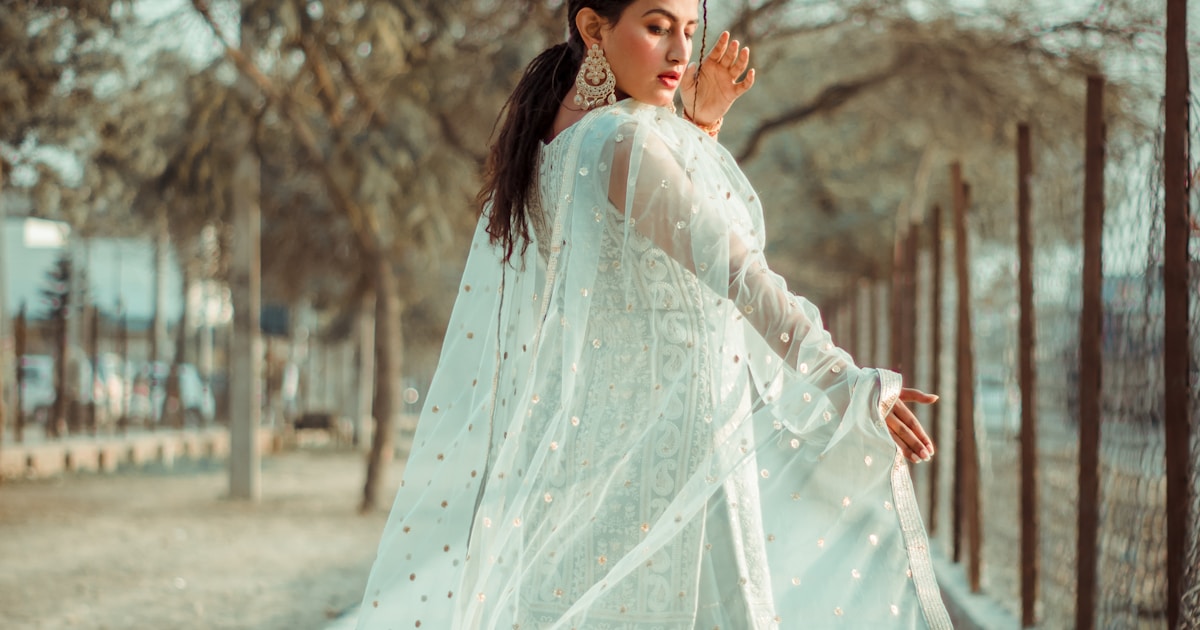
Contemporary weddings increasingly blend Eastern and Western elements. Many Chinese brides now wear a white Western-style gown for the ceremony and change into a red qun kwa for the reception. Grooms may wear a Western suit for the ceremony and a Chinese changshan for the banquet. This dual-gown approach has become so common that most Chinese bridal shops offer both styles, and many brides have more outfit changes than the average celebrity at a red carpet event.
Symbolism in Details
The details of wedding garments carry deep symbolic meaning in both traditions. In Chinese wedding attire, the double happiness character (xi) appears in embroidery, the dragon and phoenix motifs represent the couple's union, and the color red is believed to protect against evil spirits. In Western tradition, the veil was originally believed to protect the bride from evil, the garter is a symbol of the groom's conquest, and the bouquet toss is a fertility ritual dating back to medieval times.
Did You Know?
Some modern Chinese brides change outfits up to six times on their wedding day: a Western white gown for the ceremony, a red qun kwa for the tea ceremony, a cocktail dress for the reception, and often multiple evening gowns for the banquet. This has spawned a dedicated 'wedding outfit change' industry in Chinese bridal fashion.