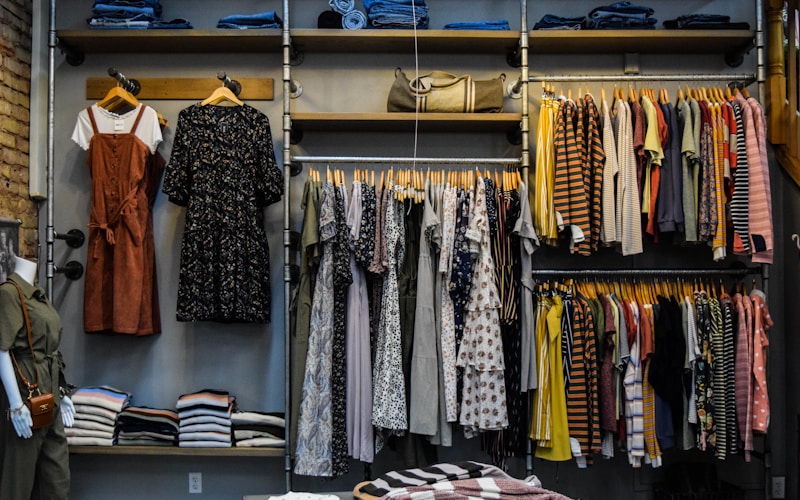
The qipao, also known as the cheongsam, is arguably the most recognizable Chinese garment in the world. Its journey from Manchu court robe to twentieth-century fashion icon is a story of cultural transformation, political upheaval, and creative reinvention. Few garments in world history have undergone such a dramatic evolution while retaining their essential identity.
Manchu Origins
The word qipao literally means 'banner robe,' referring to the Eight Banners system of Manchu military and social organization. The original Manchu women's robe was a loose, straight-cut garment with wide sleeves, worn with a separate skirt underneath. It was practical, modest, and unshaped - very different from the fitted garment we know today. Manchu women also wore distinctive platform shoes with a central heel, called qixie, which elevated them several inches and required a distinctive swaying gait.
The Shanghai Transformation
The qipao's transformation from court robe to fashion icon happened in 1920s Shanghai, one of the world's most dynamic and cosmopolitan cities. Shanghai tailors began experimenting with the traditional Manchu robe, fitting it more closely to the body, raising the hemline, and adding side slits. The result was a one-piece dress that was both modern and recognizably Chinese. Shanghai's film stars and socialites adopted the new qipao enthusiastically, and by the 1930s, it had become the standard dress for urban Chinese women. The Shanghai qipao was made in luxurious fabrics like silk and velvet, often embroidered or printed with floral patterns.
Key Features of the Modern Qipao
- Standing collar (Mandarin collar) that frames the neck elegantly
- Fitted bodice following the body's natural curves without being tight
- Side slits of varying heights, traditionally reaching mid-thigh
- Frog buttons (pankou) as decorative closures at the front
- Fabric choices from simple cotton to elaborate silk brocade
- Various sleeve lengths from cap sleeves to three-quarter length
The qipao has been called the 'Chinese little black dress' - a garment so versatile that it can be worn to a wedding, a business meeting, or a cocktail party with only a change of accessories. Its genius lies in its simplicity.
The Qipao in Communist China
After the Communist Revolution in 1949, the qipao fell out of favor as the new government promoted practical, egalitarian clothing. It was associated with bourgeois decadence and the old society. During the Cultural Revolution, wearing a qipao could attract severe criticism. The garment survived primarily in overseas Chinese communities and in Hong Kong, where it continued to evolve. This period of suppression ironically cemented the qipao's status as a symbol of Chinese cultural identity.

Modern Revival and Global Influence
Today, the qipao has experienced a remarkable global revival. It is worn by celebrities on red carpets, by brides as wedding attire, and by fashion-forward women around the world. Designers from both East and West have reinterpreted the qipao, experimenting with new fabrics, lengths, and silhouettes while maintaining its essential character. The qipao appears regularly in fashion collections from New York to Paris, and it remains a powerful symbol of Chinese elegance and sophistication.
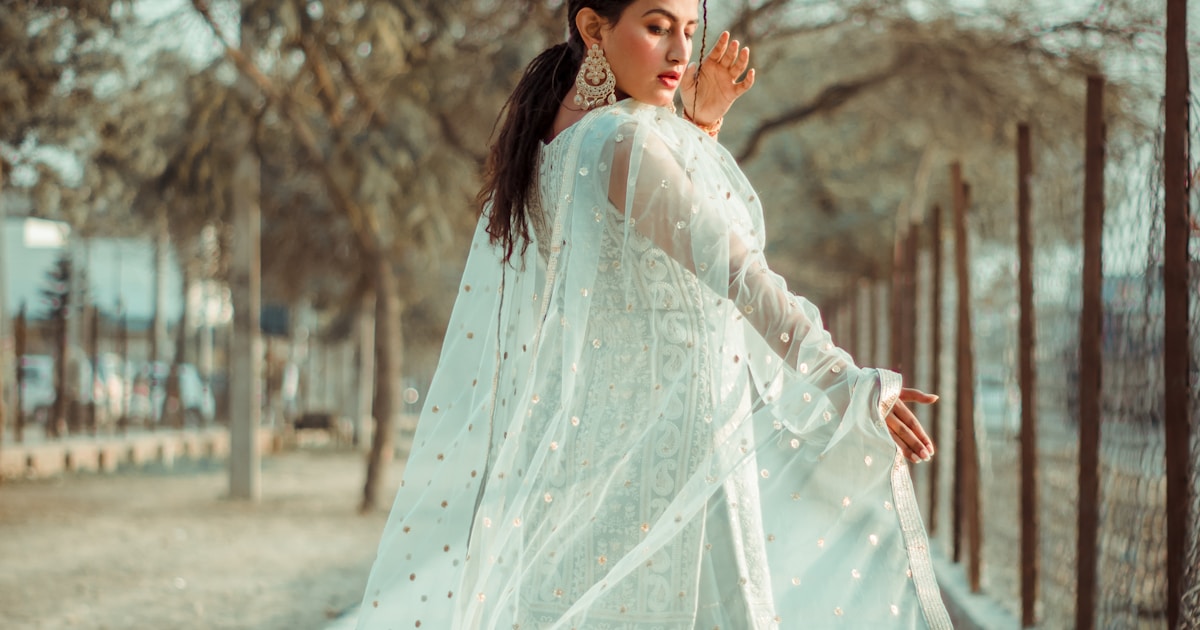
Did You Know?
In the 1930s, Shanghai's 'qipao wars' saw tailors competing to design the most innovative versions. Hemlines rose and fell with the seasons, and side slits reached daring heights before being moderated by public opinion.