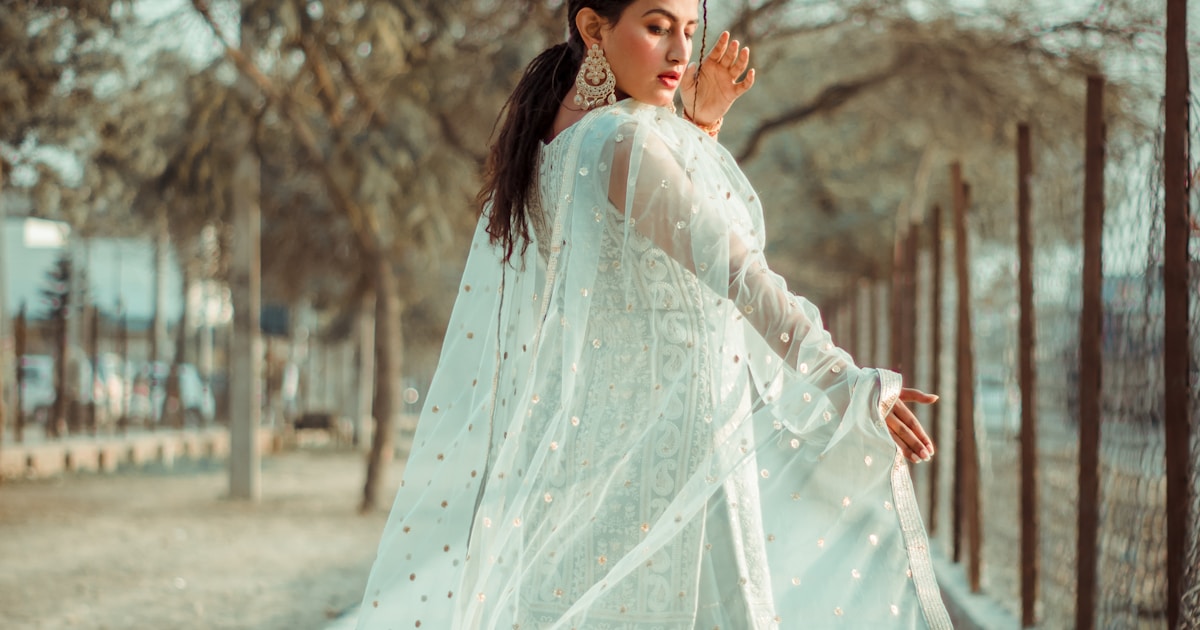
Xibe traditional clothing combines Manchu-style robes with distinctive Central Asian influences acquired during their 18th-century migration to Xinjiang. Women's long gowns and men's riding jackets showcase this unique blend.
Key Features of Xibe Attire
- Long front-fastening gowns with side slits (Manchu influence)
- Women's embroidered collar and cuff bands in floral patterns
- Men's short riding jackets worn over long robes
- Distinctive Xibe embroidery featuring peonies and plum blossoms
- Embroidered cloth shoes with pointed upturned toes
Traditional Garments
Women wear a long front-fastening gown reaching the ankles, with side slits and a high collar, embroidered at the collar, cuffs, and front opening, paired with embroidered trousers beneath. Men wear a long robe with a short riding jacket over it, similar to Manchu style but with distinctive Xibe embroidery.
Headwear and Adornments
Women wear their hair in a coiled bun decorated with silver hairpins, flowers, and beaded ornaments. Married women may wear a headscarf. Men wear round felt or cloth caps.
Embroidery and Decorative Arts
Xibe embroidery features peonies, plum blossoms, butterflies, and geometric borders on collars, cuffs, fronts, and shoe toes. Satin stitch and cross-stitch in bright colors on dark fabric create refined patterns.
The Xibe embroidery tradition is unique for encoding their migration history - some patterns incorporate stylized representations of the deserts and mountains their ancestors crossed on the 4,000-kilometer journey from Manchuria to Xinjiang.
Color Symbolism
Blue, black, and gray for gowns. Embroidery in red, pink, green, yellow, and white. Festive gowns in brighter blue or turquoise.
Festival Attire
During the Xibe Spring Festival and the April 18 Memorial Day (commemorating their migration), the finest embroidered gowns and jackets are worn.

Modern Influence and Preservation
Xibe embroidery is preserved in Qapqal County's cultural heritage programs. Their unique Manchu-Xinjiang fusion clothing style is a distinctive marker of their history.
Did You Know?
The Xibe were forcibly relocated from Manchuria to Xinjiang in 1764 to serve as frontier guards for the Qing empire - a 4,000-kilometer march that took over a year - and their clothing style still reflects this dual Manchu-Central Asian heritage.