Uzbek traditional clothing in China retains Central Asian embroidery traditions with colorful doppa skullcaps, silk dresses, and richly embroidered vests. Their style closely resembles Uzbek traditions in Uzbekistan.
Key Features of Uzbek Attire
- Womens brightly colored silk dresses with multiple ruffled hems
- Richly embroidered velvet vests over dresses
- Colorful doppa skullcaps with distinct regional embroidery
- Floral embroidery on collars, cuffs, and vest edges in silk thread
- Mens striped cotton robes fastened with cloth belts
Traditional Garments
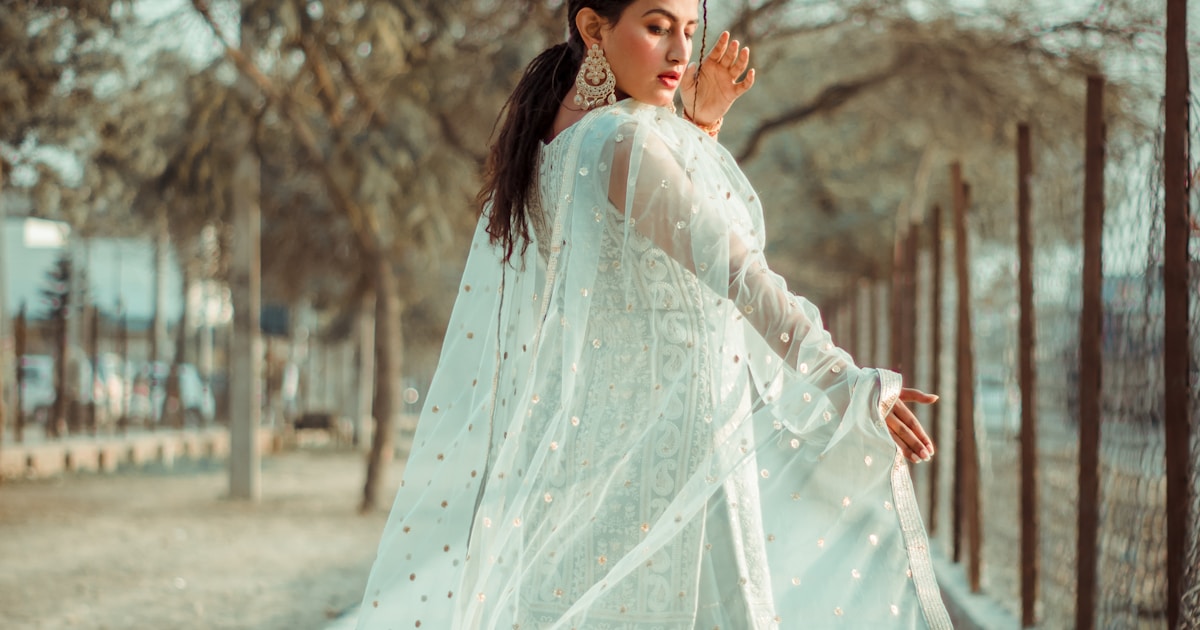
Women wear a long dress with a fitted bodice and full skirt with several layers of ruffles at the hem, in bright silk or cotton, covered by a short fitted velvet vest with dense floral embroidery. Men wear a white shirt under a dark jacket or long striped robe, with trousers and boots.
Headwear and Adornments
Women wear doppa skullcaps or brightly colored headscarves. The Uzbek doppa is typically square or slightly round with vibrant floral embroidery on a black or white background. Some women wear the doppa pinned to their hair as decoration.

Embroidery and Decorative Arts
Uzbek embroidery features bold floral patterns, pomegranate and almond motifs, and geometric borders in silk thread on velvet or cotton. Satin stitch and chain stitch create raised surfaces on vests, doppas, and dress edges.
The Central Asian pomegranate motif, so prominent in Uzbek embroidery, traveled along the Silk Road from Persia to Xinjiang - each stitched pomegranate on a vest is a node in that ancient textile network.
Color Symbolism
Bright red, purple, green, blue, and yellow for dresses. Black or dark green velvet for vests. Embroidery in bright multicolors with gold and silver thread for special occasions.
Festival Attire
During Nowruz and Eid, women in their finest silk dresses with fullest ruffled skirts and most elaborately embroidered vests, men in new robes and doppas.
Modern Influence and Preservation
Uzbek textile traditions contribute to Xinjiangs diverse cultural landscape, with their distinctive doppa styles and embroidery techniques preserved in community workshops.
Did You Know?
The Uzbek in China, though small in number, maintain strong cultural ties to Uzbekistan - their traditional clothing is nearly identical to that worn in the Uzbek capital of Tashkent.